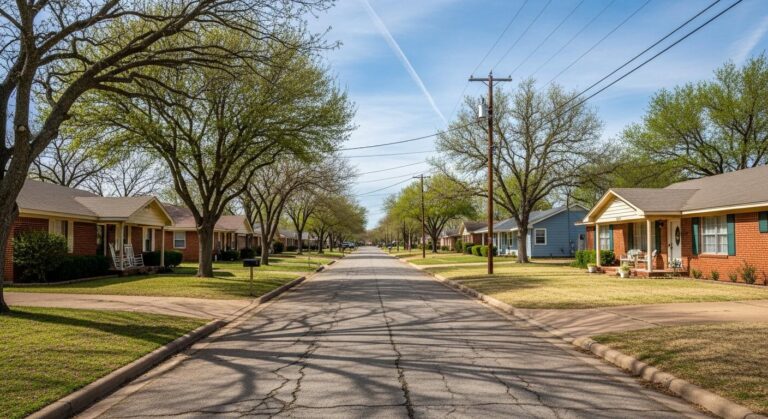

What Are Senior Apartments, Exactly?
Senior apartments — sometimes called 55+ communities or independent living apartments — are housing options designed specifically for older adults who can still live on their own. They’re not care facilities. Think of them more like regular apartment complexes that limit residents by age and may offer a few social amenities like a common room or planned activities.
In Parker County, you’ll find a mix of options ranging from basic age-restricted apartment buildings to more upscale independent living communities with pools, fitness centers, and organized events. What they share in common is this: they assume the resident is capable of managing their own daily life — cooking their own meals, handling their own medications, and getting around without assistance.
If your loved one is healthy, active, and just wants the convenience of a smaller space with neighbors their own age, a senior apartment might make sense. But if they need any help with daily tasks — bathing, dressing, medications, mobility — a senior apartment won’t provide that support, no matter how nice the complex is.
What Do Senior Apartments Cost in Parker County?
In the Weatherford and Parker County area, senior apartment costs generally fall in these ranges:
- Basic 55+ apartments: $800 – $1,200/month for a one-bedroom unit
- Mid-range independent living communities: $1,500 – $2,200/month
- Upscale independent living with amenities: $2,200 – $3,000+/month
These figures typically cover rent only. Utilities, renter’s insurance, groceries, transportation, and personal care services are usually separate expenses the resident pays out of pocket.
It’s worth noting that Parker County is more affordable than the Dallas-Fort Worth metro overall, so families relocating from larger cities may find the pricing here a bit easier to manage. That said, costs have risen in recent years alongside the general housing market, so it’s smart to call communities directly for current rates rather than relying on online listings that may be outdated.
Always ask what’s actually included in the monthly fee before you compare numbers between communities.
What’s Typically Included — and What’s Not
The biggest mistake families make when comparing senior housing costs is assuming that a lower monthly rate means a lower total cost. With senior apartments, the base rent often leaves out quite a bit.
Usually included:
- The apartment unit itself
- Some utilities (varies by property — often water and trash, sometimes electric)
- Access to common areas or amenities
- Basic maintenance and repairs
Usually NOT included:
- Meals or meal plans
- Transportation
- Housekeeping
- Personal care or medication management
- 24-hour supervision or emergency response
For an older adult who is fully independent, those missing items may not matter much. But many families discover partway through the year that their loved one needs a little help — and then they’re paying for the apartment plus in-home care on top of it. That combination can get expensive quickly and is often less coordinated than a community designed to provide care from the start.
How Senior Apartments Compare to Assisted Living
This is the comparison most Parker County families eventually get to, and it’s worth being honest about the differences.
Assisted living communities like Autumn Hill Manor include housing, meals, personal care assistance, medication management, activities, and 24-hour staffing — all under one monthly rate. That rate is higher on the surface, typically ranging from $3,000 to $5,500 per month in the Weatherford area depending on the level of care needed.
But when you add up what a senior apartment costs once you factor in groceries, transportation, housekeeping, and any in-home care services, the gap often narrows significantly — sometimes disappearing altogether.
Beyond the numbers, the more important question is what your loved one actually needs. A senior apartment works well for someone who is independent, social, and healthy. Assisted living is the better fit when someone needs regular help, has memory concerns, or when family members are stretched thin trying to fill in the gaps. The goal isn’t to find the cheapest option — it’s to find the right fit so your loved one is genuinely safe and cared for.
Questions to Ask Before You Decide
Whether you’re looking at senior apartments or assisted living in Parker County, the right questions will save you from surprises later. Here’s what we’d recommend asking any community you visit:
- What exactly is included in the monthly fee?
- What happens if my loved one needs more help down the road — can they age in place here, or will they need to move?
- Is there a nurse or caregiver on-site at night and on weekends?
- How are emergencies handled?
- What does the move-out process look like if things don’t work out?
- Are there any additional fees I should know about — community fees, level-of-care adjustments, deposits?
At Autumn Hill Manor, we’re always happy to talk through these questions with families honestly — even if we turn out not to be the right fit. We’d rather help you find the best answer for your loved one than push you toward a decision that doesn’t serve them well. Give us a call at (817) 596-4159 anytime.
Frequently Asked Questions
No — Medicare does not cover senior apartment rent, and Medicaid housing assistance through programs like Section 8 has very long waitlists. Most residents pay for senior apartments out of pocket using Social Security, retirement income, or savings. Some veterans may qualify for additional housing assistance through the VA.
Senior apartments are housing only — residents live independently and arrange any care they need on their own. Assisted living communities like Autumn Hill Manor provide housing plus meals, personal care, medication management, and 24-hour staffing all included. If your loved one needs regular help with daily tasks, assisted living is the more appropriate and often more cost-effective option.
Yes, and this is actually a very common path families take. Many older adults start in a senior apartment while they're healthy and transition to assisted living when their care needs increase. The key is planning ahead — waiting until a crisis happens makes the transition much harder on everyone.
If your parent can manage their own meals, medications, bathing, and daily routine without help, a senior apartment may be a good fit. If they need reminders or hands-on help with any of those things — or if you find yourself worrying about their safety when you're not around — assisted living is likely the better choice. A quick phone call to a local community can help you think it through.